Divine Catalysts: Religion and Portfolio Choices

How can religious and cultural beliefs influence investor behavior? Exploring how religiously framed cues associated with Diwali, a festival emphasizing wealth, prosperity, and new beginnings in India, shape household participation in equity markets.
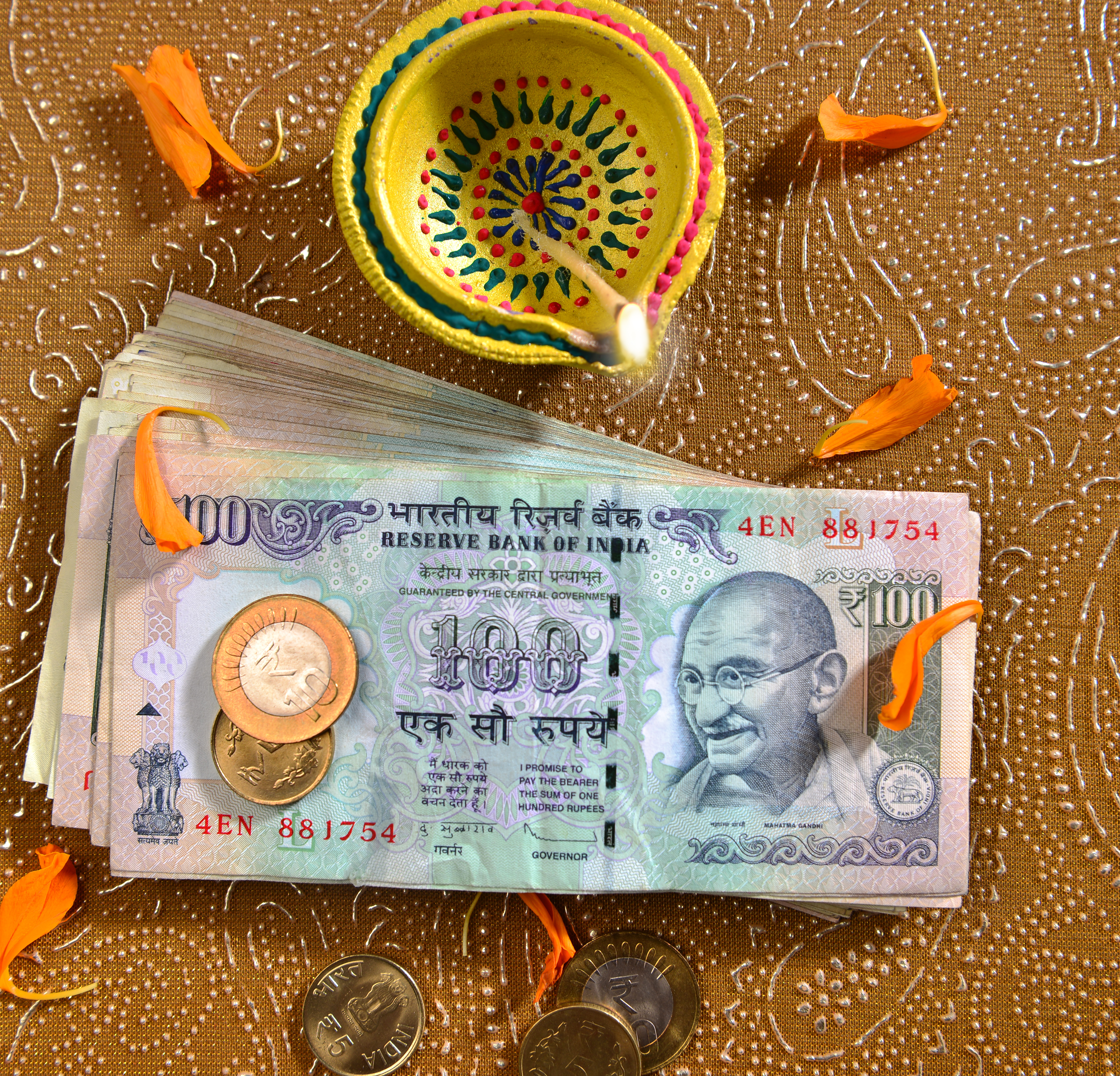
To what extent do cultural and religious frameworks drive individual investment behavior? This project exploits a unique setting in which financial markets explicitly invoke a major religious festival symbolizing new beginnings and long-term prosperity to study how it can influence portfolio choices. By analyzing the Muhurat trading session during India’s Diwali, the study isolates the impact of religiously framed cues on investment decisions. The findings provide critical insights for policymakers and financial institutions on how cultural “nudges” influence market participation, portfolio allocation and long-term investment outcomes.

SOUTHERN ASIA


The Challenge

The rapid digitization of financial services in emerging economies like India has significantly expanded market accessibility, yet a persistent challenge remains: individuals continue to underinvest in equities and hold poorly diversified portfolios. While traditional explanations for this behaviour focus on rational constraints like information frictions and participation costs, there is a profound lack of empirical evidence regarding how cultural and religious beliefs drive these decisions. This research addresses these gaps by investigating the intersection of culture, religion, and financial decision-making in the context of India’s unique “Muhurat Trading” session during the Diwali festival.

The intervention

This project follows an intertemporal portfolio-choice model that treats the Muhurat trading session as a predictable environmental signal to analyse how it shifts the perceived utility of equity investment, leveraging data from a major national brokerage firm between 2012 and 2019. Findings show that individuals whose religion is associated with Diwali participate more actively and invest substantially larger amounts in the stock market on the event days relative to other days. They buy new stocks rather than increasing existing holdings. Moreover, they hold onto event-purchased stocks longer, leading to a persistent increase in both the size of their equity account and portfolio diversification post-event, with these effects concentrated among low-income investors and those with smaller accounts.

The Potential Impact

While policy debates often focus on removing information frictions and capital constraints, this research suggests that religious framing acts as a distinct driver capable of shaping portfolio choices and long-term wealth accumulation. The evidence indicates that understanding financial participation requires shifting attention toward the psychological and cultural frames through which individuals interpret market opportunities. Consequently, as institutions seek to engage previously-excluded investors, religious cues could be strategically leveraged to promote long-term participation and responsible financial decision-making.